3 min read
What do you get someone who has everything?
Something that did not exist until you had it made. It only works if you bring the specific detail - without that it is a good object about nobody.
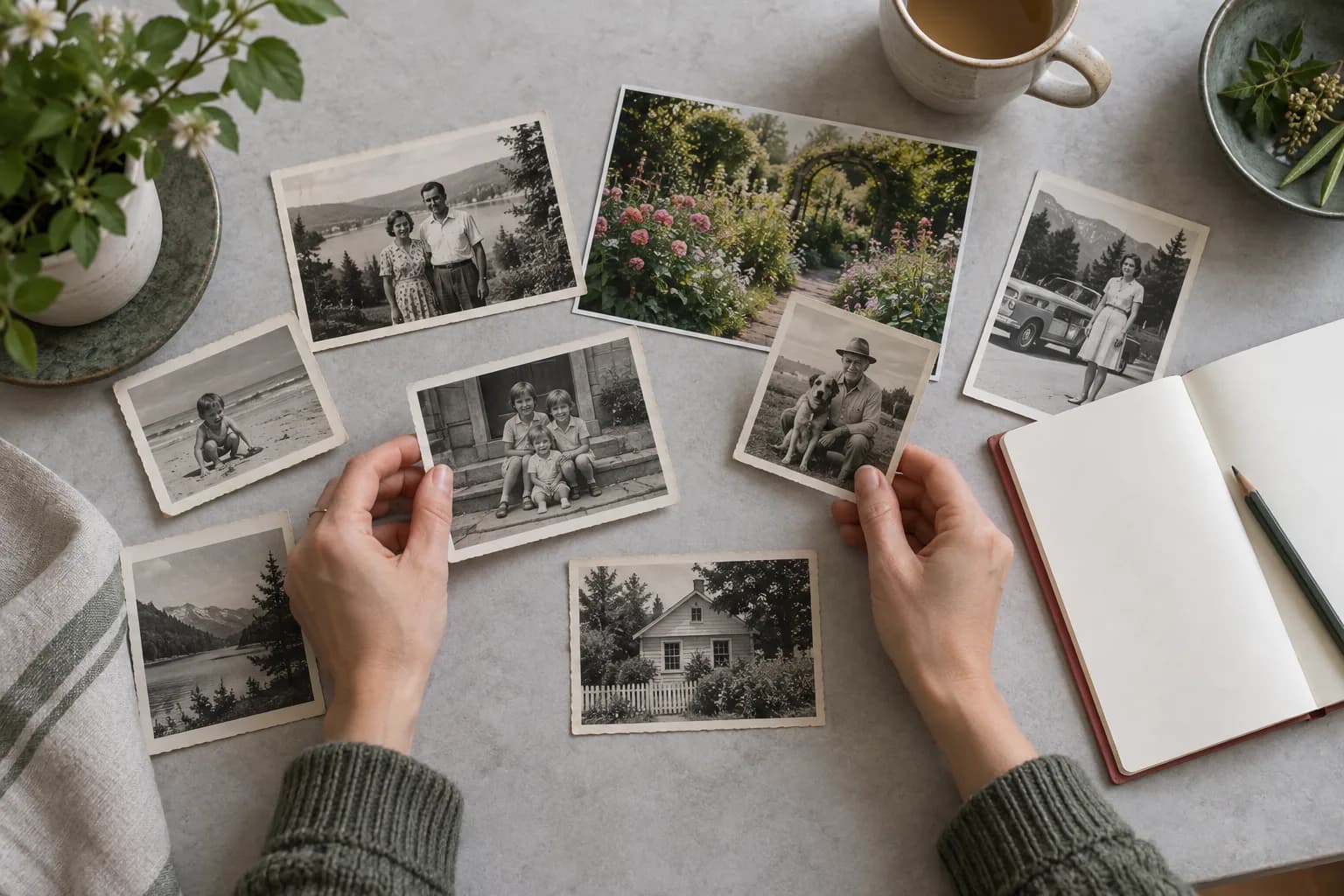
Something that did not exist until you had it made. Not a rarer object — a specific one.
That is the whole answer, and the reason it usually fails is that people commission something personal without bringing anything personal to it.
Why the usual approaches stop working
Somebody who has everything has, by definition, solved the object problem. They buy what they want when they want it, and have done for decades. Adding a better version of something they already own is competing on an axis they have already won.
Rarity does not help either. A more unusual object is still an object, and the constraint was never scarcity.
What they cannot buy is something about themselves that somebody else made.
The part people skip
Commissioning is easy; supplying the specifics is the work, and it is where this goes wrong. A personalised piece with no particulars in it is a well-made object about nobody, and everyone can tell within seconds without being able to say why.
The details that carry it are small and slightly odd:
- The cardigan she wore until it fell apart
- The cup of tea, because she was always holding one
- The dog that was not supposed to be on the sofa
- The coat two sizes too big because it was his brother's
None are flattering. All are load-bearing. More on why in why the small details are the whole thing.
If you do not know the details
Ask somebody who does. This is the case where a group gift genuinely outperforms an individual one — not because more money buys more, but because five people between them remember things no single person does.
A sibling will supply the thing you never knew. A grandchild will supply the thing the adults forgot was odd.
Why it lands differently from other gifts
An object bought for somebody is a transaction, however thoughtful. An object made about somebody is a piece of evidence that several people sat down and remembered them on purpose.
That difference is what survives the afternoon. Most gifts at a seventieth are opened, admired and put down; the ones people carry out to the car themselves are the ones with their own life in them.
It is also why the failure mode matters so much. A commissioned piece that turns out generic is worse than a good bottle of something, because it visibly tried and visibly missed.
The occasion this comes up on
Almost always a milestone birthday, usually seventy or above, and usually organised by somebody one step removed from the honoree. The practical side is in how to commemorate a milestone birthday.
MemoryFrame
Make something from the photograph that matters
Bring your photograph and its story to MemoryFrame to begin a piece of artwork.
Start your MemoryFrame