2 min read
Why the small details are the whole thing
A piece has to be a portrait of a specific person, not a well-made picture of somebody like them. The cardigan and the cup of tea are not decoration.
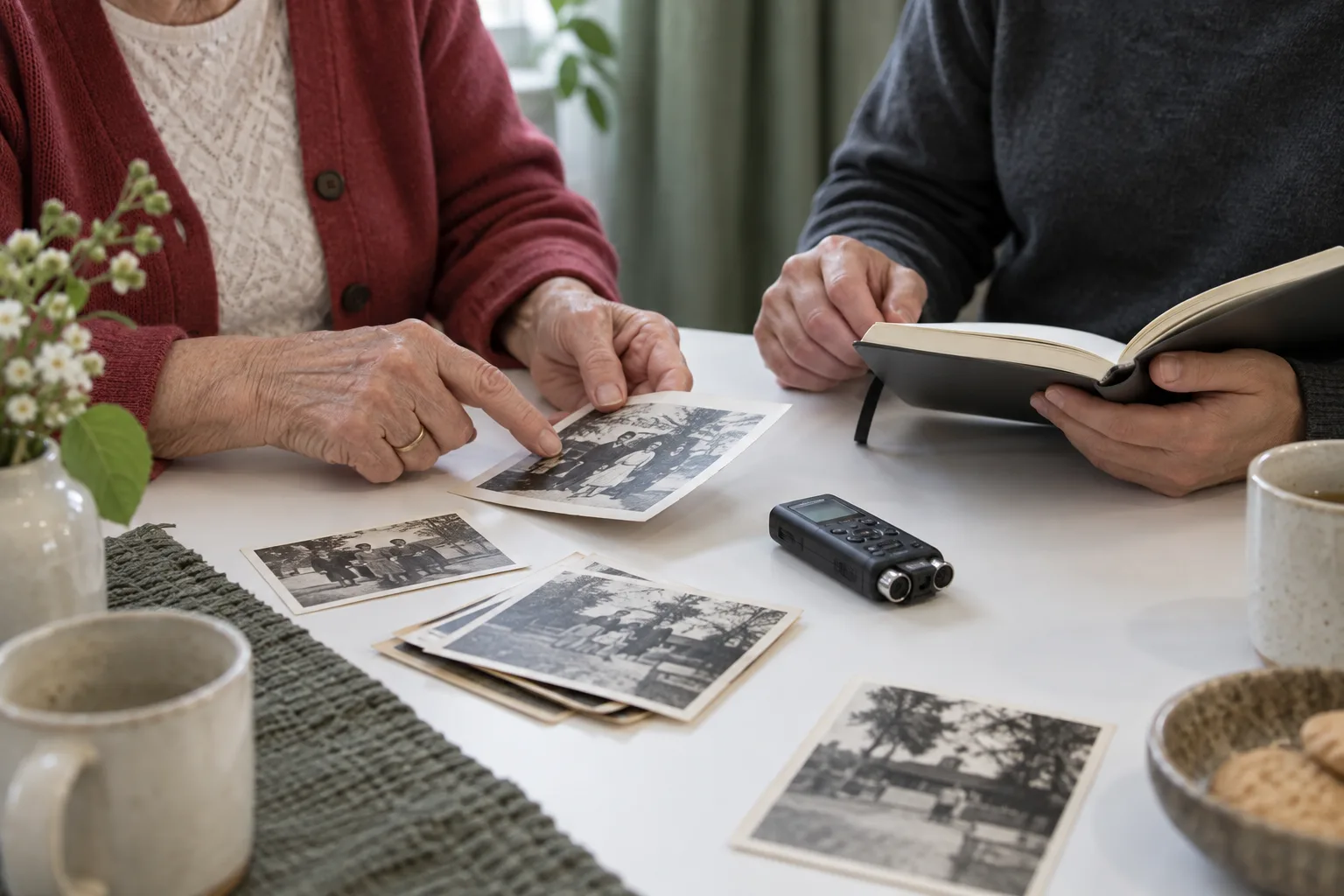
A commissioned piece has to read as a portrait of one specific person, not as a well-made picture of somebody like them. The difference is entirely in the small details, and those have to come from you.
If the blue cardigan and the cup of tea are missing, the result is a good object about nobody in particular.
The failure looks like success
This is what makes it worth warning about. A generic result is not obviously wrong — it is competent, well-composed and pleasant. It just belongs to no family, and everybody can tell within about two seconds without being able to say why.
The test is whether the piece could be swapped with one made for a different family and nobody would notice. If it could, the details did not make it in.
Which details actually work
The ones that are true and slightly odd:
- The cardigan she wore until it fell apart
- The cup of tea, because she was always holding a cup of tea
- The coat that was two sizes too big because it was his brother's
- The dog that was not supposed to be on the sofa
- The burn mark on the table from 1987 that nobody ever fixed
None of those are flattering and all of them are load-bearing. Adjectives are not: "much-loved", "wonderful" and "always smiling" describe nobody.
Write what only you would know
The useful filter is whether a stranger reading the sentence could have guessed it. She was a devoted grandmother — anybody could write that about anybody. She refused to take that hat off for the wedding photographs — only somebody who was there.
The second kind is what makes the piece specific, and it is also the kind people skip because it feels too small to be worth mentioning.
Where the details come from
If several people are contributing, ask each of them for one. Different relatives remember different things, and the composite is more accurate than any single account.
More on getting them written down in the best part of a memory is often not in any photograph.
MemoryFrame
Make something from the photograph that matters
Bring your photograph and its story to MemoryFrame to begin a piece of artwork.
Start your MemoryFrame